SAF: alternative aviation fuel
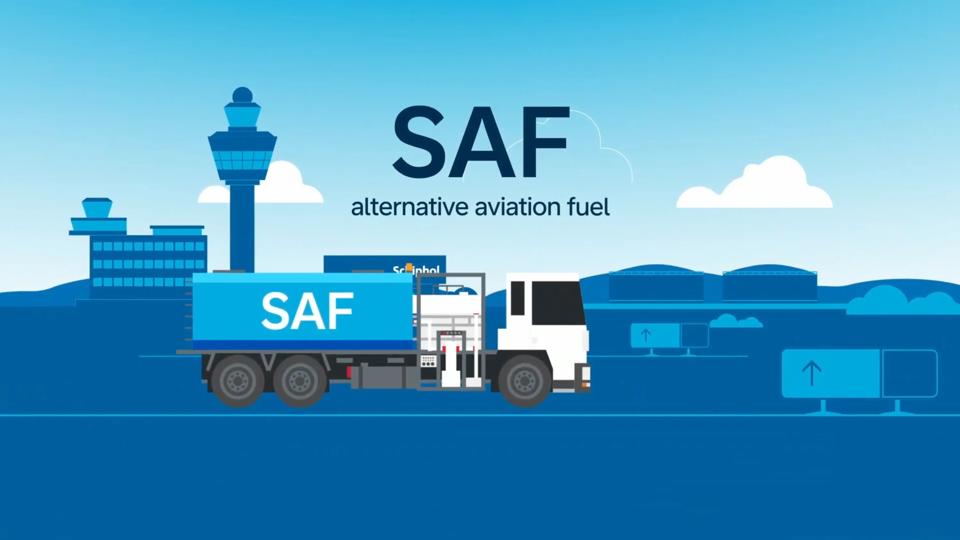
What is SAF?
SAF stands for Sustainable Aviation Fuel. It’s a better alternative to regular jet fuel. SAF is less harmful to the environment because of what it’s made from. It also helps make aviation less dependent on fossil fuels.
Why is SAF better?
SAF has 3 main benefits:
- It’s made from waste materials, such as used cooking oil.
- It emits at least 65% less CO₂ than regular jet fuel over the entire lifecycle.
- It causes fewer other harmful emissions, like particulates and sulfur.
The CO₂ reduction is based on the entire lifecycle: from production to combustion. During flight, SAF emits the same amount of CO₂ as regular fuel. The difference lies in what it’s made from.
To compare the CO₂ impact of fuels, we look at the entire lifecycle. That means not just what comes out of the engine during flight, but also how raw materials are sourced, processed, and transported. For plant-based feedstocks, we also take into account that they absorb CO₂ from the air as they grow.
With fossil fuels, carbon is released that was stored underground for millions of years. That adds new CO₂ to the atmosphere. Reusing used cooking oil doesn’t do that. That’s another reason why SAF has a lower CO₂ impact.
Besides CO₂ emissions, flying also has other harmful effects. For example, the white trails planes leave behind (contrails) contribute to global warming. Emissions like particulates and sulfur also affect air quality. With SAF, these effects are smaller compared to regular fuel. Here’s why.
SAF meets the same technical requirements as regular jet fuel and is just as safe. But SAF contains fewer impurities. As a result, less sulfur and particulates are released during flight. That’s better for air quality around airports. And contrails are less likely to form, because they develop around particulates.
Which SAF does KLM use?
We only use SAF that meets strict EU sustainability standards:
- At least 65% less CO₂ emissions than jet fuel (over the entire lifecycle)
- No competition with food production
- No link to deforestation
We apply these standards to all SAF we buy worldwide. In 2024, the SAF we used reduced CO₂ emissions by up to 92% compared to regular jet fuel (over the entire lifecycle).
When sourcing SAF, we don’t just look at CO₂ emissions. We also consider the origin of raw materials and their broader impact on people and the environment. That’s why, for example, we don’t use SAF made from soy, palm oil, or their by-products.
All SAF we purchase meets the requirements of:
Availability and use of SAF today
Flying isn’t sustainable now. There’s not enough SAF available to reduce aviation’s overall impact. And the SAF market is still developing, which means prices can fluctuate.
For flights departing from Europe, we add 2% SAF, as required by European regulations.
In 2025, SAF made up about 4.6% of our worldwide fuel mix, partly due to favorable market conditions. It's a good first step, and we’re building partnerships to keep increasing its use.
SAF in your ticket and extra SAF
Your ticket already includes an environmental surcharge. You can choose to contribute voluntarily to extra SAF.
Below, we explain how the surcharge works, how to add extra SAF to your booking, and what happens to your contribution.
Environmental surcharge in tickets
As of 2025, fuel suppliers must deliver at least 2% SAF at European airports. Airlines also face higher costs from environmental regulations and the shift to lower-emission aviation. That’s why your ticket includes an environmental surcharge.
The amount depends on your travel class and flight distance. You can find it in your ticket’s trip details under "Environmental surcharge". Similar rules by authorities elsewhere may also affect your ticket price.
Voluntarily contribute to extra SAF
You can choose to contribute to extra SAF. This is on top of the environmental surcharge in your ticket and helps us buy more SAF.
Are you a Flying Blue member? You’ll gain 1 XP for every EUR 10 or 2,000 Miles you contribute.
How contributing to extra SAF works
We calculate how much fuel is needed per passenger for your type of flight and travel class. You can then choose to contribute to extra SAF for part of it — for example, 30% of your fuel use.
We use your entire contribution to buy more SAF. This is on top of the 2% SAF required under European regulations. We add the extra SAF to the airport’s fuel system within 12 months.
We calculate your SAF contribution based on:
- The estimated fuel use per passenger
- Our SAF price
When estimating fuel use, we take several factors into account. These include airplane type, distance, weight on board, number of passengers, and your travel class.
We regularly adjust our SAF price based on market developments.
When you contribute to extra SAF, we show you an estimate of the CO₂ emissions per passenger for your type of flight.
You’ll also see how much CO₂ we expect to reduce thanks to your contribution. We calculate these estimates using our CO₂ calculator.
Curious about the estimated CO₂ emissions of your flight? You can see them in My Trip or when you book a flight.
Every year, the accounting firm KPMG reviews our calculation method. It checks whether we apply these methods correctly and comply with international guidelines. You can find details of this audit in KPMG’s report.
Our latest methods and audit report:
Is there SAF on my flight?
We can’t say exactly how much SAF is on your specific flight. That’s because we use a system called mass balancing.
Here’s how it works:
If you pay for 30% extra SAF, we buy that amount and add it to the airport’s fuel system. It won’t go directly into your flight. But your flight may use extra SAF purchased by previous passengers. This way, we work together to reduce average CO₂ emissions from flights.
What happens to my contribution?
- We use your voluntary contribution entirely to buy extra SAF.
- This SAF is added to the mandatory 2% SAF for flights from Europe.
- This doesn’t change your flight, but it helps reduce the average CO₂ emissions from flights.
Want to do more to reduce your impact?
You can reduce the impact of your trip. The most effective way is to travel (part of your journey) by train, bus, or electric car instead of flying. On some routes, KLM works together with high-speed rail services.
Sometimes flying is your best or only option. In that case, small choices can help. For example, traveling with lighter baggage or bringing your own water bottle and headphones.
You can also contribute to nature regeneration projects. This won’t change the environmental impact of your trip, but it does support damaged ecosystems.
Frequently asked questions
SAF is an alternative aviation fuel made from waste and residual materials, such as used cooking oil. Over its entire lifecycle, SAF emits at least 65% less CO₂ than fossil fuels. We can blend SAF with regular jet fuel. For flights departing from Europe, we add at least 2% SAF, in line with EU regulations. You can help us use more SAF.
SAF is made from different types of waste materials. For example:
- Used cooking oil
- Municipal waste
- Agricultural residues
SAF can also be made by combining captured CO₂ with hydrogen produced using renewable electricity. This (synthetic) type of SAF is still under development.
Today, we mainly use SAF made from used cooking oil.
For long-haul flights, planes still need fuel. SAF helps reduce the impact of flying until other solutions become available, such as hydrogen or electric aircraft.
Until then, it’s important that we keep increasing SAF usage. That’s why more SAF needs to become available at a lower cost.
You can choose to contribute to extra SAF when booking your flight. Already booked and still want to contribute? You can do this in My Trip under "Extra options".
We use your entire contribution to buy more SAF. We add this SAF to the airport’s fuel system within 12 months. This is on top of the 2% SAF required under EU regulations.
We’re aware of the climate impact of flying. That’s why we’re working to improve and renew our operations. This requires major investments and everyday choices that help reduce our emissions.
We therefore continue to invest in:
- Cleaner, quieter, and more fuel-efficient airplanes
SAF (alternative aviation fuel) Weight reduction and onboard improvements - Reducing emissions in our ground operations
Innovation and collaboration through The Aviation Challenge Nature regeneration projects